The Revenge of the Terroir: Why Micro-Regional Ingredients Boost Brand Image Among Young Vietnamese Consumers
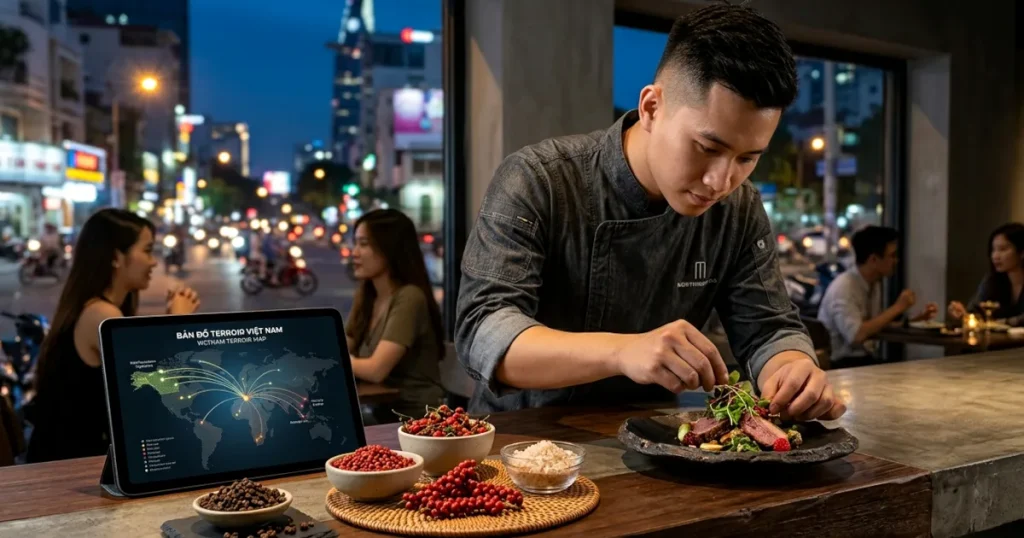
Just a few years ago, the height of culinary chic for young urbanites in Hanoi or Ho Chi Minh City meant dining at Western, Japanese, or Korean restaurants—symbols of globalization, status, and modernity. Today, a powerful counter-movement is turning the tables. We are witnessing “the revenge of the terroir.”
Vietnamese Millennials and Gen Z are shifting en masse toward their cultural roots, demanding elevated, authentic local flavors. For restaurant owners, integrating micro-regional ingredients—such as wild Northwestern spices or premium Phu Quoc pepper—is no longer just a culinary option. It has evolved into a high-impact branding strategy.
Here is why regional terroir has become the ultimate marketing tool to capture the hearts and wallets of Vietnam’s youth.
The Quest for Identity and “Culinary Patriotism”
Vietnamese Gen Z grew up in a hyper-globalized country. Saturated by international fast-food chains and global lifestyle brands, this generation feels a profound need to reconnect with their heritage and cultural identity—without feeling outdated.
- The Psychological Driver: By spotlighting overlooked or highly specific local ingredients, your restaurant validates their growing sense of national pride (Tự hào Việt Nam).
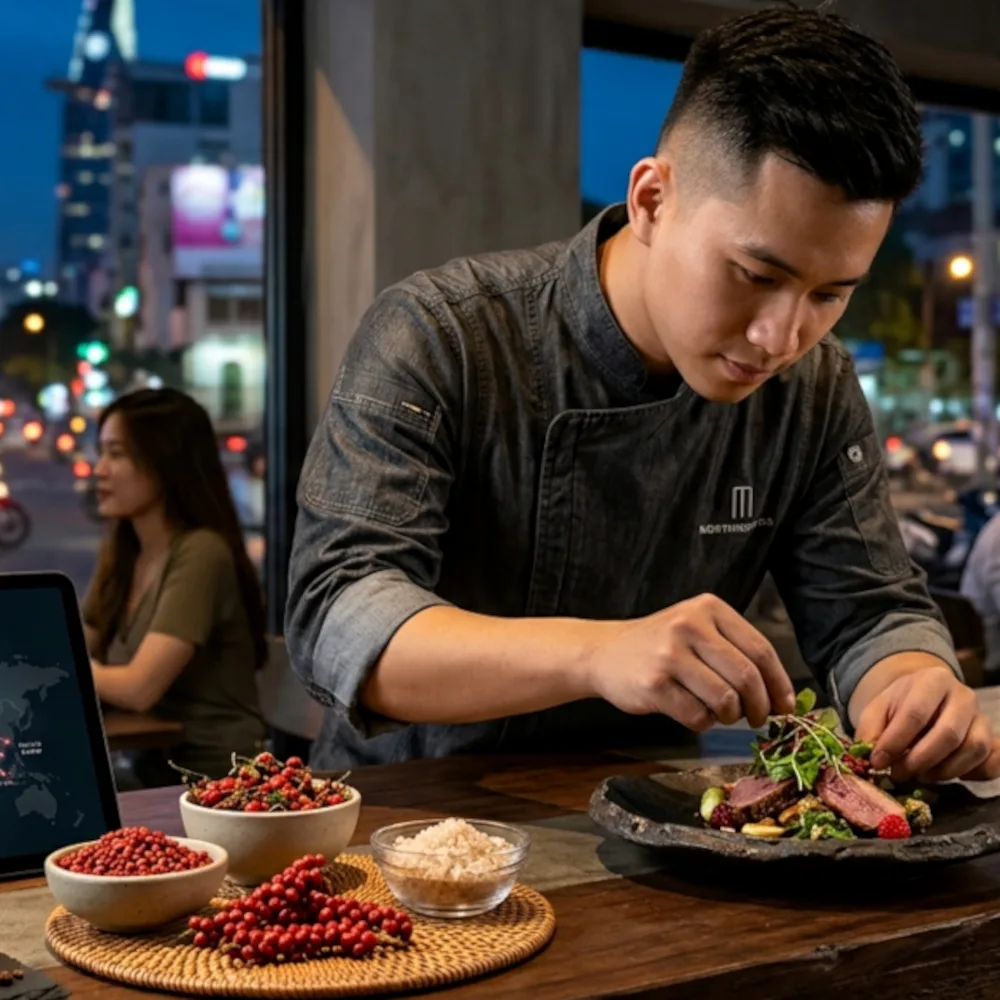
- The Brand Impact: A dish featuring mắc khén (wild prickly ash pepper from the Northwestern highlands) or artisanal bamboo-smoked salt does more than feed a customer; it delivers a cultural narrative that aligns with who they are.
Storytelling: The Secret Ingredient Youth Crave
For young consumers, the value of a dish depends just as much on the story behind it as the taste on the plate. They want to know exactly where their food comes from, who made it, and how it got to their table.
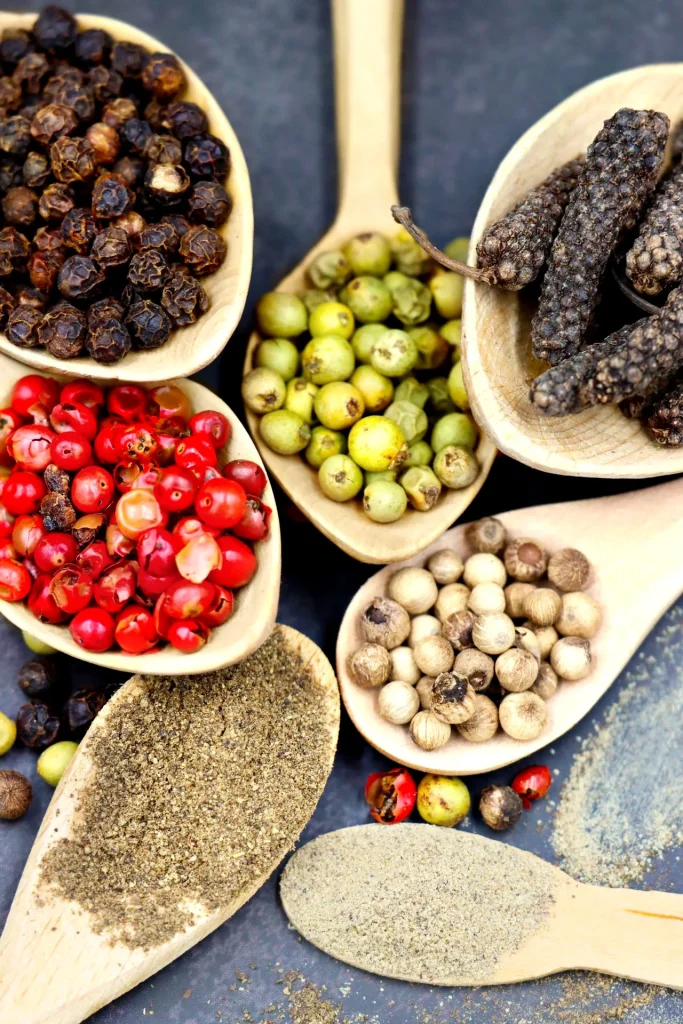
- Micro-Regionality as a Narrative: Simply putting “pepper” on a menu sparks zero interest. However, listing a “hand-harvested, sun-dried red Phu Quoc pepper from a traditional family farm” transforms a basic seasoning into a premium culinary experience.
- The Digital Leverage: This level of storytelling is highly “Instagrammable” and tailor-made for TikTok. Young diners love sharing food sourcing backstories or cultural anecdotes on social media, effectively turning them into your restaurant’s most passionate brand ambassadors.
Sustainability and Ethics Dictate Spending Habits
Urban youth are by far the most eco-conscious demographic in Vietnam. Concepts like “Farm-to-Table” and supporting indigenous farming communities heavily influence their daily purchasing decisions.
- The Ethical Advantage: Sourcing directly from agricultural cooperatives in Ha Giang or artisanal producers in the Mekong Delta proves your restaurant actively invests in the local economy.
- Building Trust through Transparency: Highlighting micro-regional sourcing provides immediate transparency regarding your supply chain. This is a crucial trust-builder for a generation increasingly skeptical of mass-produced, industrial food systems.
Exclusivity Through Rarity
In Vietnam’s overcrowded F&B landscape, differentiation is a matter of survival. Micro-regional ingredients offer unique, complex flavor profiles that are impossible to replicate using standard wholesale products.
Creating Urgency: Introducing limited-edition, seasonal menus based on specific micro-regional harvests (e.g., wild fruit seasons from a particular province) creates a powerful fear of missing out (FOMO) that drives immediate table reservations.
Modernizing the Traditional to Capture the Future
Embracing the revenge of the terroir does not mean turning your establishment into a historic museum or a rigid, traditional eatery. On the contrary, the magic lies in fusion: utilizing these micro-regional treasures within highly modern concepts—such as craft cocktails, contemporary bistros, specialty coffee houses, or gourmet burger joints. By bridging the gap between Vietnam’s rich agricultural soils and modern urban trends, you stop selling just a meal. Instead, you build a resilient, respected brand deeply rooted in its time.