AI and Stock Prediction: How Restaurant Chains in Hanoi and Ho Chi Minh City Are Cutting Food Waste by 25%
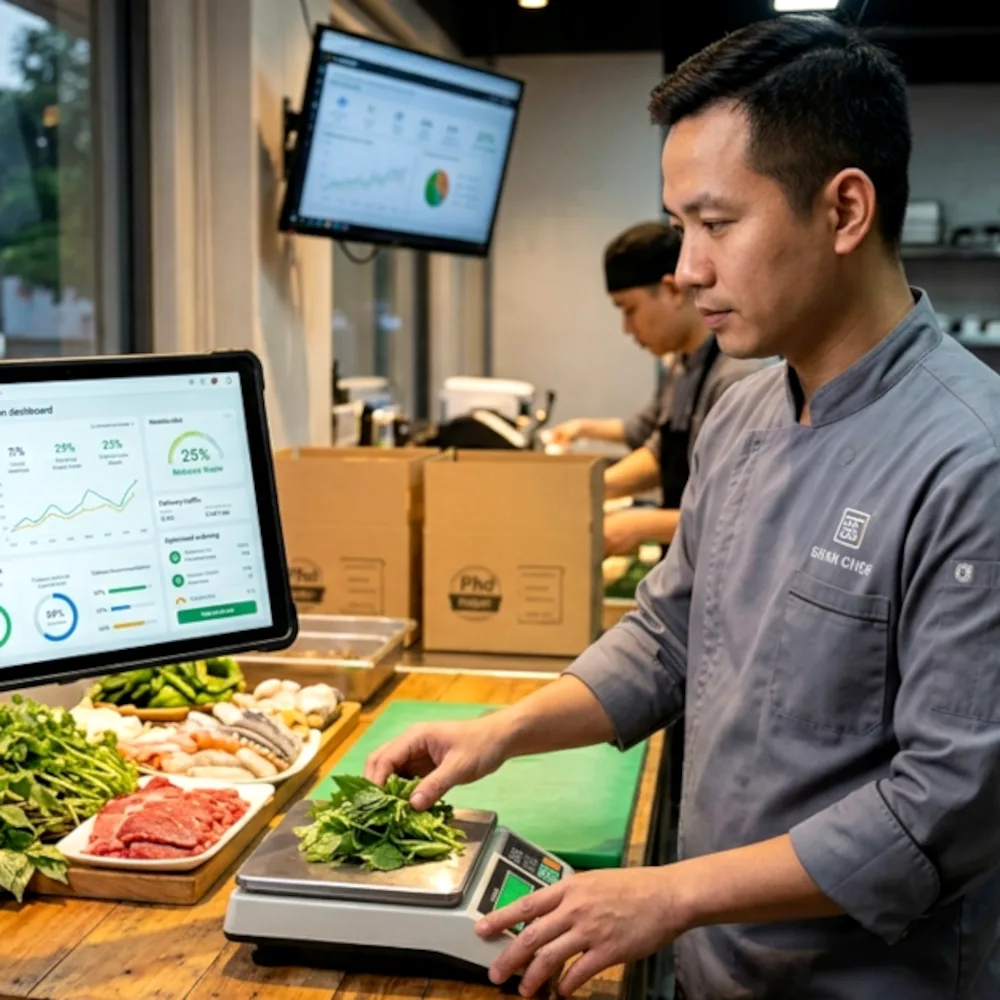
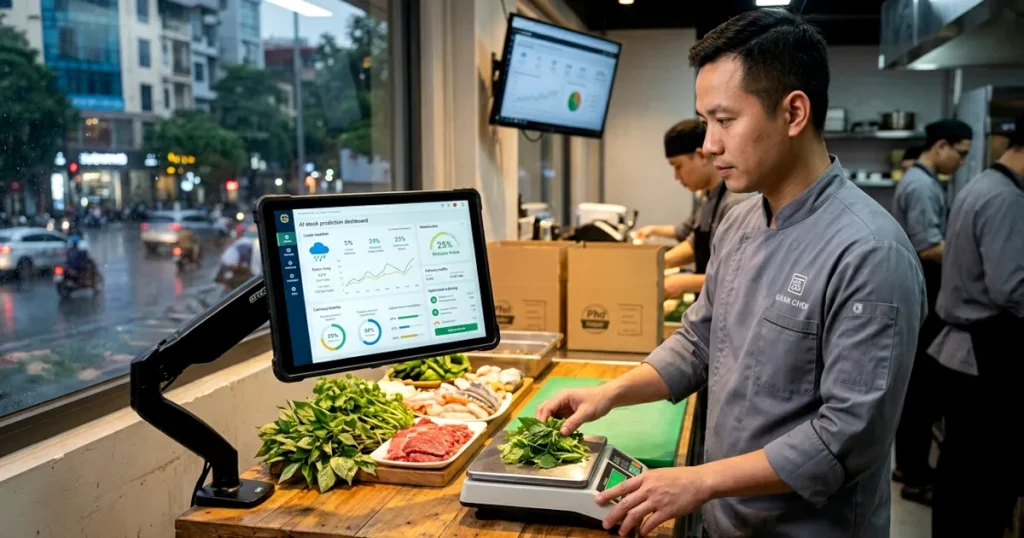
In Vietnam’s ultra-competitive food and beverage (F&B) sector, inventory management has long been a game of guesswork. Between the price volatility of fresh ingredients in local wet markets, unpredictable tropical weather, and sudden shifts in consumer behavior, ordering the exact amount of food can feel like a daily gamble. However, a silent revolution is taking place across the country’s two largest metropolises. In Hanoi and Ho Chi Minh City, leading restaurant chains are rapidly adopting Artificial Intelligence (AI) predictive forecasting tools. The result? A stunning 25% reduction in food waste and a direct boost to bottom-line profitability. Here is how AI is transforming inventory management and why this technology is becoming an absolute necessity for Vietnamese restaurateurs.
Ending the “Guessing Game” with Big Data
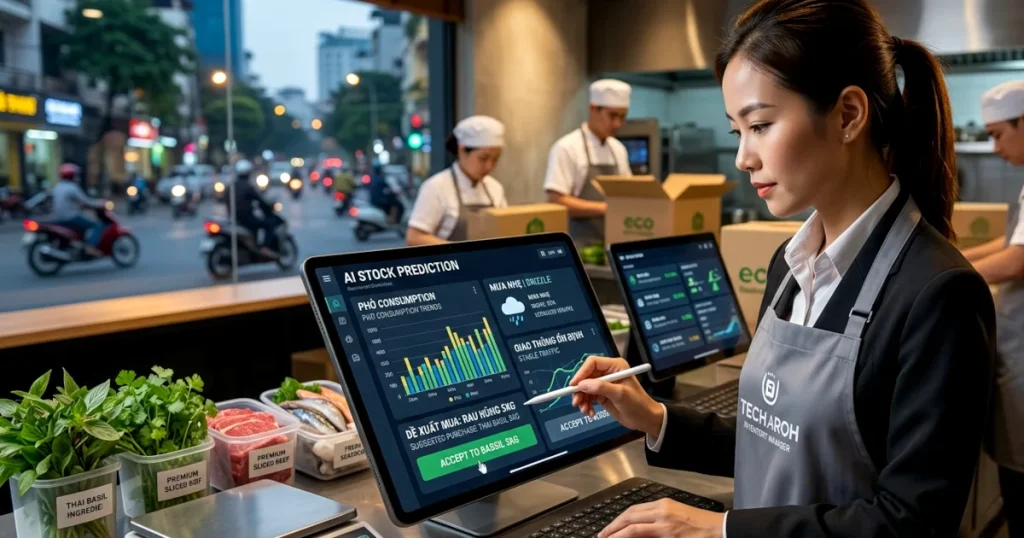
Traditionally, restaurant managers look at the previous week’s sales history to place orders for fresh produce. AI, on the other hand, analyzes dozens of complex variables simultaneously and in real time.
Predictive algorithms seamlessly integrate:
- Local Weather Patterns: A sudden downpour during the monsoon season in Ho Chi Minh City completely stalls foot traffic, while a heatwave in Hanoi instantly drives up the demand for cold beverages and lighter dishes.
- Cultural and Event Calendars: AI anticipates massive demand fluctuations tied to Tet festivities, public holidays, or even national football match nights that fill or empty dining rooms.
- Urban Traffic and Delivery Logistics: By syncing traffic data with food delivery platforms like Grab and ShopeeFood, the AI adjusts kitchen production goals depending on whether order volume is shifting toward dine-in or delivery.
Surgical Precision for Ultra-Fresh Ingredients
Vietnamese cuisine relies heavily on the absolute freshness of herbs, vegetables, meat, and seafood. These items have an incredibly short shelf life. Overstocking rau húng (Thai basil), ngò rí (coriander), or live seafood translates directly into immediate financial loss. By calculating historical consumption against external factors, AI generates automated purchasing recommendations. It tells the kitchen team down to the exact kilogram or unit how much to order for the next 24 to 48 hours. This just-in-time inventory system keeps the promise of freshness alive while preventing trash bins from filling up with spoiled greens.
Dynamic Menu Engineering
AI doesn’t just work behind the scenes in the stockroom; it also interacts directly with what customers see on their tables. If inventory sensors detect an imminent surplus of a specific ingredient at a Hanoi branch, the system can automatically:
- Highlight specific dishes on digital QR code menus to subtly guide consumer choices.
- Launch flash promotions on delivery apps to clear out stock within a few hours.
- Implement dynamic pricing to incentivize customers to order items featuring ingredients that need to be consumed quickly.
Direct Impact on Profitability and Sustainability
For restaurant chains operating dozens of outlets nationwide, a 25% drop in food waste has a monumental financial impact. Slashing raw material waste (Food Cost) flows directly into increased net profit margins.
Furthermore, this technological pivot strongly resonates with Vietnamese Gen Z and Millennials. Urban consumers are increasingly eco-conscious. Demonstrating a sustainable approach backed by clear data on waste reduction is quickly becoming a powerful branding tool and a major driver of customer loyalty.
AI is the Modern Chef’s Secret Ingredient
Reducing waste is no longer just about kitchen discipline—it is a data science challenge. The restaurant chains in Hanoi and Ho Chi Minh City that have embraced AI stock prediction are setting a new industry benchmark. In 2026, artificial intelligence is no longer a futuristic luxury; it is the most reliable assistant a chef or financial controller can have.