The Mellow Revolution: How Vietnam is Reinventing Specialty Coffee
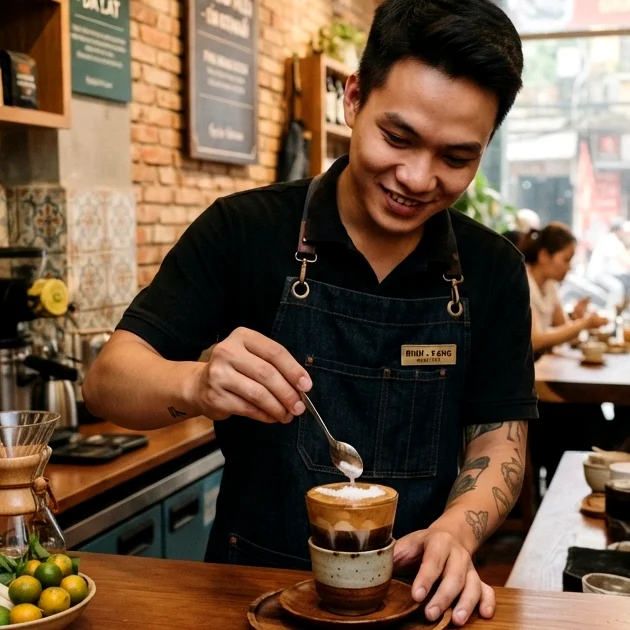
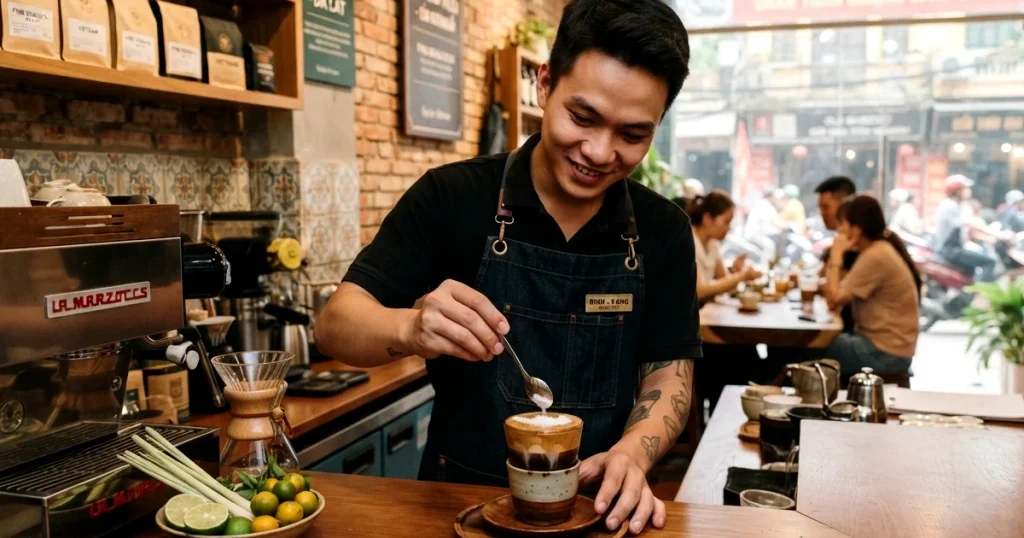
Vietnam has long been a global coffee powerhouse, but for decades, its reputation was tied to the mass production of commercial Robusta destined for instant coffee jars. Today, a quiet but spectacular revolution is shaking up the alleyways of Hanoi and the trendy avenues of Ho Chi Minh City. A new generation of roasters and baristas is redefining the landscape by creating a specialty coffee market unlike any other in the world, fusing once-dismissed Fine Robusta with bold local ingredients.
The Rise of “Fine Robusta”: The National Bean’s Revenge
While the Western specialty coffee world swore strictly by Arabica, Vietnamese coffee artisans made a daring bet: applying the strict standards of the Third Coffee Wave to their local bean, Robusta.
Through meticulous farm-level selection, strictly ripe-only harvesting, and controlled fermentation techniques, Fine Robusta was born. Less acidic than Arabica, it offers a powerful body, natural notes of chocolate and hazelnut, and a velvety mouthfeel—all while retaining the high caffeine kick that defines Vietnamese coffee identity. Once dismissed as overly bitter, this bean now stands proudly on the menus of connoisseur coffee shops.
Flavor Alchemy: When Terroir Meets the Cup
The other driving force behind this specialty coffee explosion is the incredible creativity of the recipes. Moving far beyond the traditional Cà phê sữa đá (iced coffee with condensed milk), Vietnamese baristas are drawing from the country’s rich agricultural heritage to design unique signature drinks.
Innovation thrives through surprising local pairings:
- Tropical Fruits and Citrus: Pairing Fine Robusta with fresh kumquat, calamansi, or mango juice creates zesty, refreshing iced summer drinks.
- Vietnam’s White Gold (Coconut): Cold brew coffee blends seamlessly with fresh coconut water or coconut milk, providing a plant-based sweetness that perfectly balances the strength of the bean.
- Local Herbs and Spices: Infusions of ginger, lemongrass, or even Phu Quoc pepper are used to elevate the earthy, rich undertones of the specialty coffee.
This trend doesn’t reject the classics; it elevates them. The famous egg coffee (Cà phê trứng) and Hue’s salt coffee (Cà phê muối) are now crafted using perfectly extracted Fine Robusta espressos, transforming street food staples into true gastronomic experiences.
Aesthetics and Identity-Driven Commitment
These new coffee temples do more than just serve excellent drinks; they tell a story. The design of these spaces often blends modern minimalism with traditional Vietnamese architectural accents.
Most importantly, this movement is built on a short, ethical supply chain. Coffee shop owners work hand-in-hand with farmers in the Central Highlands (such as Da Lat or Buon Ma Thuot). By championing Fine Robusta, they enable local growers to sell their harvests at premium prices far above the global commodity market rates, ensuring both economic and ecological sustainability.
Conclusion
The explosion of specialty coffee in Vietnam proves that the country is no longer content with just being the world’s coffee granary—it wants to be its creative laboratory. By marrying the power of an exceptional Robusta with the freshness of its terroir’s ingredients, Vietnam is inventing a modern coffee culture that is proud of its roots and resolutely focused on the future.