Beat the Clock: How to Master the Cold Chain and Deliver Absolute Freshness
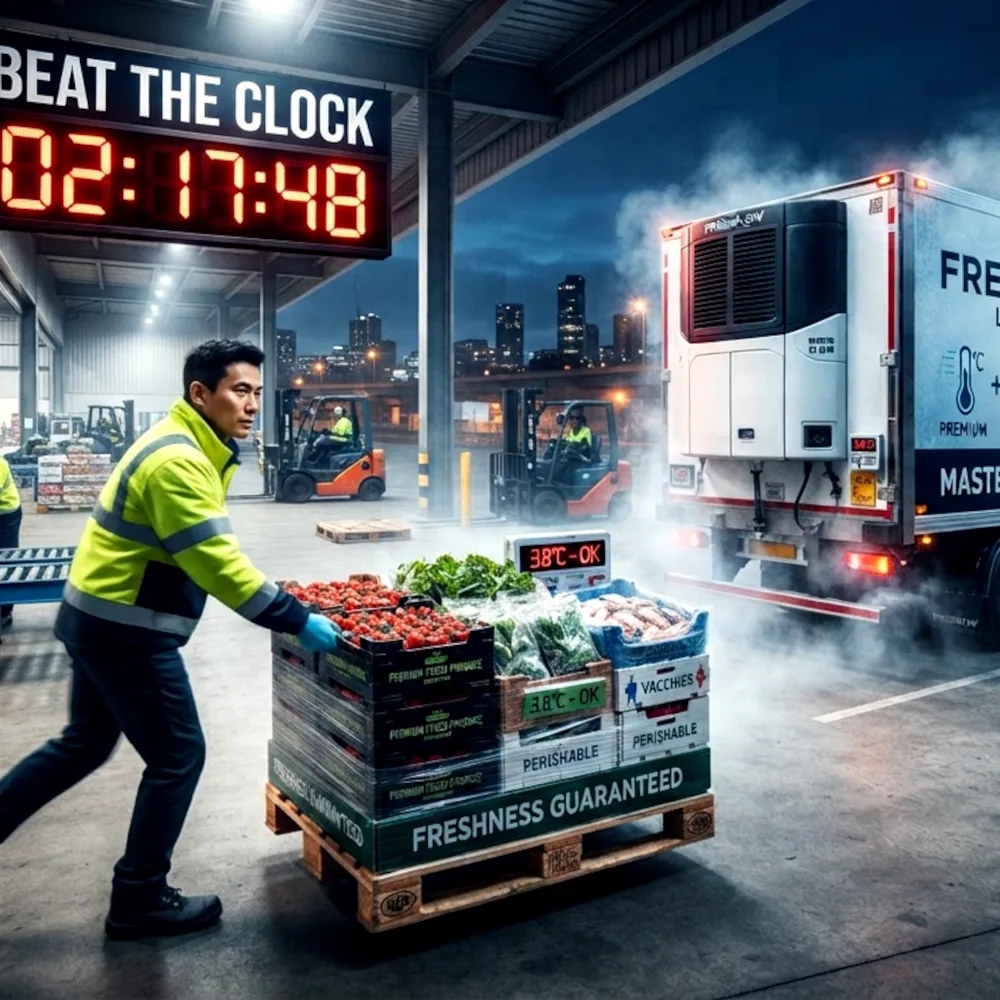
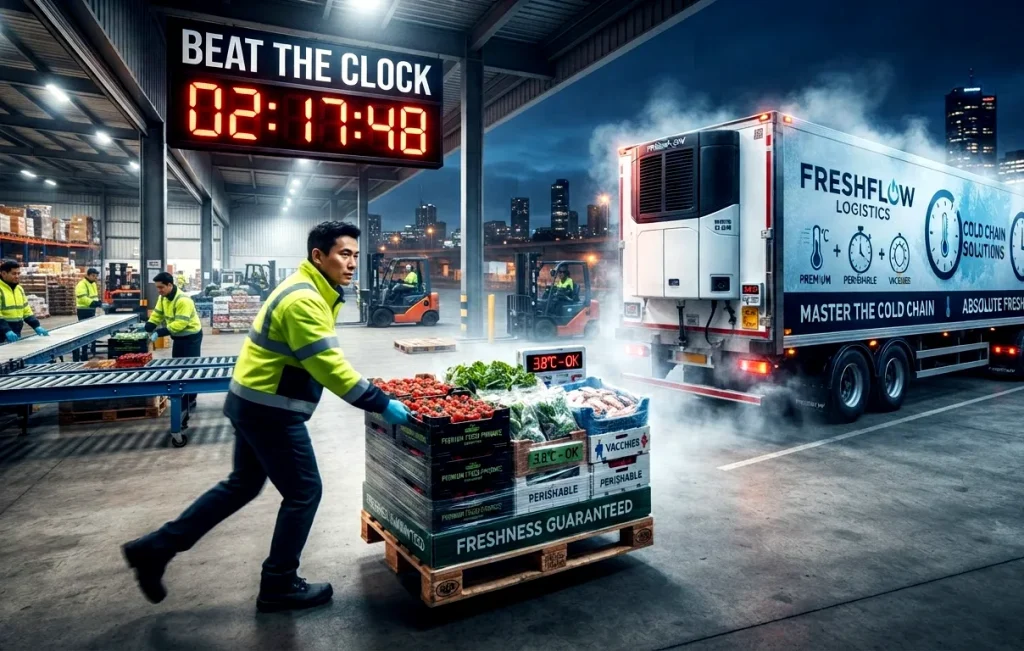
In the food industry, time and temperature are the ultimate adversaries. From the moment an ingredient is harvested or a dish is prepared, a high-stakes countdown begins. Delivering fresh food is no longer a luxury—it is a baseline consumer expectation. Winning this race requires a flawless combination of logistics technology and kitchen-level engineering. Here are the secrets to beating the clock and guaranteeing absolute freshness from the kitchen to the customer’s first bite.
Ingredient Engineering & Inventory Management
Freshness begins long before the delivery driver arrives. It starts with strategic sourcing and menu design.
- Just-in-Time Inventory: Minimize the time ingredients sit on shelves. Use predictive data to order exactly what is needed for the day, ensuring morning farm arrivals are out for delivery by afternoon.
- Thermal Resiliency: Not every ingredient can handle the heat of transit. Meticulously select menu components that naturally resist wilting, melting, or breaking down during travel.
High-Performance Temperature Control
Speed means nothing if the food spoils along the way. Maintaining an uninterrupted cold chain requires proactive tracking and smart cooling physics.
- Smart Monitoring: Modern delivery fleets use real-time Internet of Things (IoT) sensors. Dispatchers receive immediate alerts if a cooling system shifts by even two degrees, resolving issues before food is compromised.
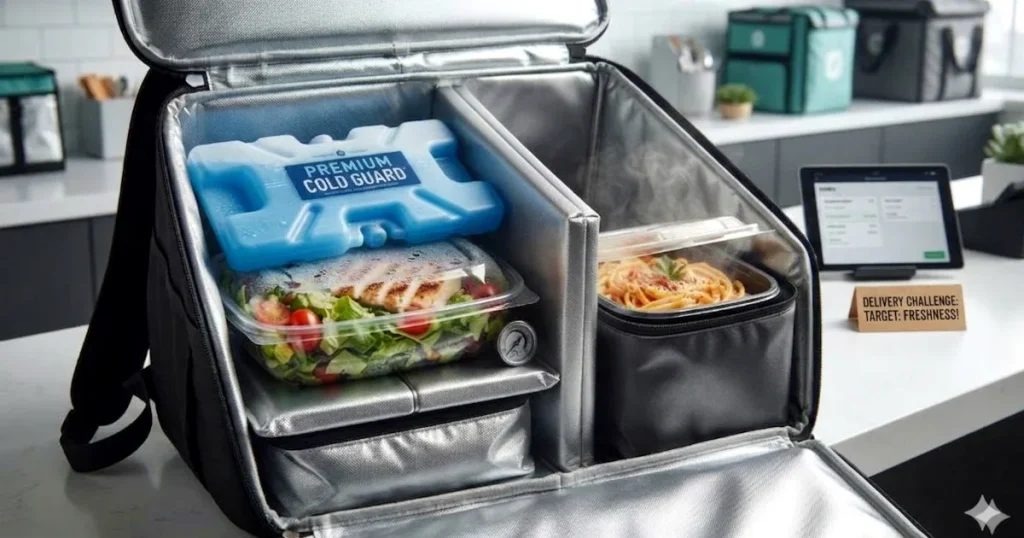
- Strategic Chilling Agents: Standard ice packs melt too fast and create watery messes. Opt for food-grade gel packs or cooling inserts tailored to transit times. Always place them on top of products, allowing cold air to naturally sink and wrap the food in a protective cold bubble.
Smart Packaging and Thermal Separation
The final mile of delivery is the most dangerous for food quality. Packaging acts as the ultimate shield against ambient air and external elements.
- Absolute Thermal Separation: Never mix fire and ice. Hot and cold dishes must travel in entirely separate delivery bags. Inside the same bag, use thick thermal dividers or dedicated insulated pouches to isolate fresh items from ambient heat.
- Hermetic vs. Ventilated Seals: Tailor your packaging to the dish. Cold foods require smart, airtight, leak-proof containers to lock the cold inside, block humidity, and preserve textures. Conversely, hot, crispy dishes require advanced ventilation tech to manage humidity and prevent sogginess.
Predictive Logistics: Outsmarting the Roads
Beating the clock requires bypassing traditional urban delivery hurdles through advanced routing and localized infrastructure.
- Dynamic Routing: AI routing algorithms analyze live traffic patterns, construction data, and weather forecasts to map out the absolute fastest paths.
- Micro-Fulfillment Hubs: Placing localized hubs right in the heart of cities drastically cuts down the literal distance—and transit time—between the kitchen and the customer’s door.
The Ultimate Winner: The Customer
Mastering the clock and the cold chain isn’t just a logistical triumph; it is about building deep consumer trust. When a business successfully protects its food from the elements and the traffic, the customer tastes the victory in every single bite.